July 7, 2026
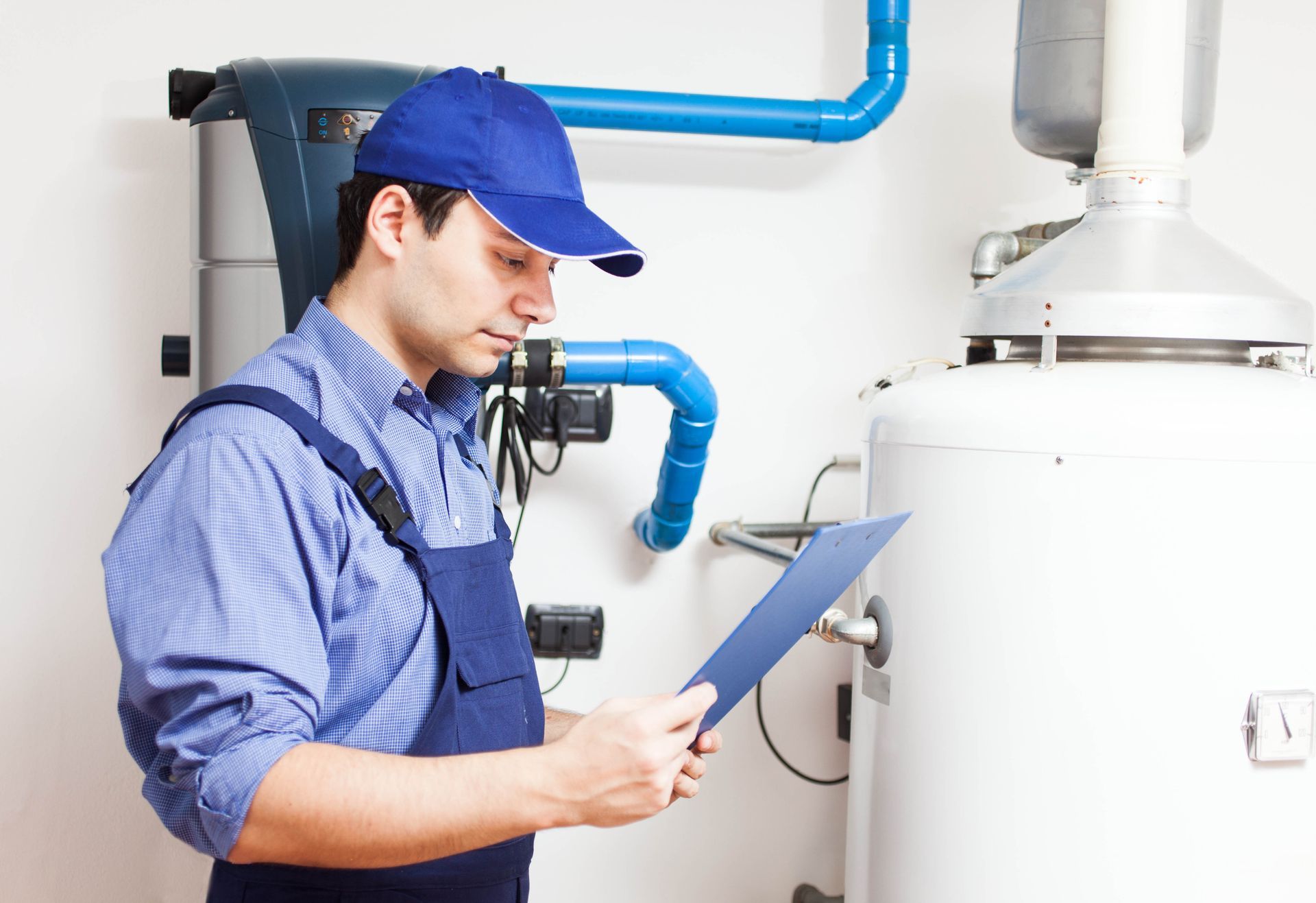
Hot water is one of the most critical and undeniable conveniences in modern residential homes. It is absolutely essential for bathing, cooking, cleaning, sanitizing, and doing laundry on a daily basis. Yet, despite its incredibly heavy daily usage, the hard-working appliance responsible for providing this modern comfort is often tucked away in a dark basement, a utility closet, or a garage. Because it is out of sight, it is frequently completely forgotten until it suddenly and unexpectedly stops working. There is nothing quite as jarring as stepping into an early morning shower expecting a relaxing, soothing cascade of warm water and being met with a freezing icy blast instead.
However, these complex plumbing systems rarely break down without giving you a few subtle hints and clues first. By learning to recognize the early symptoms of a struggling or failing system, you can proactively schedule water heater repair before facing a massive plumbing emergency, extensive water damage, or multiple days without hot water. In this comprehensive guide, Sampson Plumbing & Heating breaks down the top five warning signs that strongly indicate your system needs professional attention immediately.
1. Inconsistent Water Temperatures
One of the most obvious indications of an impending plumbing issue is a sudden or gradual fluctuation in your daily water temperature. If the hot water constantly runs out halfway through your morning shower, or if the water never seems to get hotter than a disappointing lukewarm temperature, your unit is struggling to meet your household's demand.
Several internal components can cause this frustrating inconsistency. In our experience, heavy-duty heating elements in an electric unit can eventually burn out due to age or an electrical short, resulting in a partially heated tank. Alternatively, a malfunctioning thermostat might improperly read the internal temperature, failing to trigger the necessary heating cycle. Another common culprit is a broken dip tube, a plastic pipe that pushes cold water to the bottom of the tank to be heated. If it breaks near the top, incoming cold water immediately mixes with the exiting hot water.
Recognizing these temperature drops early is absolutely essential for your home. Addressing the problem with timely water heater repair can save you from the major expense of replacing the entire unit, as replacing a faulty element or dip tube is a straightforward process.
2. Discolored Water Appearance
When you turn on the hot tap in your kitchen or bathroom, the water flowing into your sink or tub should be perfectly clear and completely odorless. If you suddenly notice a reddish, brown, or yellowish tint to your water, it is time to investigate the issue further. Discolored water strongly indicates that rust is forming somewhere inside your residential plumbing system.
To determine if the rust is coming from your home's pipes or the tank itself, try running both the cold and hot water separately. If only the hot water is discolored, the inside of your tank is likely deteriorating. Manufacturers install a sacrificial anode rod inside the tank to attract corrosive elements found in municipal water, rusting away over time so the steel lining of the tank does not. Once this crucial rod is completely depleted, those corrosive elements begin attacking the tank itself.
Additionally, if your hot water smells vaguely like rotten eggs, sulfur bacteria has likely built up inside the tank. Calling a specialist for water heater repair to perform a deep flush of the system or replace the anode rod is the safest course of action.
3. Unusual Tank Noises
Your home's plumbing system should operate relatively quietly in the background. While a low, steady hum during a heating cycle is completely normal, loud banging, popping, rumbling, or cracking sounds are major causes for immediate concern. These alarming noises almost always point to severe sediment accumulation at the bottom of the tank.
Over time, naturally occurring hard water minerals, such as calcium and magnesium, settle at the bottom of the tank. As the heating element turns on and off day after day, this loose sediment bakes into a solid, hardened layer of scale. When water gets trapped beneath this hardened layer, intense heat from the burner causes it to boil rapidly and turn into steam. The steam bubbles forcefully push their way through the heavy sediment to escape to the top of the tank, creating distinct popping noises known in the industry as "kettling."
Kettling forces your unit to work significantly harder to heat water, wasting valuable energy and driving up your monthly utility bills. If your appliance is making these noises, professional water heater repair is urgently needed to flush the tank and safely remove the hardened sediment buildup.
4. Visible Base Leaks
Water belongs safely inside the pressurized tank, not pooling on your utility room floor or dripping down the sides of the unit. If you ever discover a puddle of water around the base of your unit, you are dealing with a critical issue that cannot wait for a convenient time to be addressed.
Leaks can originate from several different places, and not all of them spell a guaranteed death sentence for your appliance. Sometimes, the leak is caused by a simple loose connection, a deteriorating drain valve, or a faulty temperature and pressure relief (T&P) valve. The T&P valve is a vital safety mechanism designed to release small amounts of water if the internal pressure climbs to dangerous levels. These specific valve leaks are easily and affordably fixed during a standard water heater repair service call.
However, if the leak is originating from the main body of the tank itself, the situation is severe. From what we've observed, constant thermal expansion during long-term heavy use can cause microscopic fractures in the inner steel lining. Once the inner lining cracks, the tank cannot be patched; it must be entirely replaced by a professional.
5. Advanced Appliance Age
Sometimes, the biggest and most glaring warning sign isn't a strange noise or a puddle on the floor; it is simply the age of the unit itself. No home appliance is built to last forever. From our experience, a standard conventional storage-tank unit typically has an operational lifespan of about eight to 12 years. If your home's system has surpassed the ten-year mark, you are likely operating on borrowed time.
Even if it appears to be working perfectly, older units are significantly less energy-efficient and are at a much higher risk of sudden, catastrophic failure. You can usually determine the exact age by checking the manufacturer's label on the side of the tank. If you find yourself frequently scheduling water heater repair appointments just to keep an aging system limping along, the cumulative cost of those minor repairs will quickly outweigh the investment of a brand-new installation.
When replacing your old appliance, consider upgrading to a modern, highly energy-efficient option. According to the U.S. Department of Energy, tankless gas water heaters save roughly 33% compared to conventional storage models. These advanced units provide unlimited hot water on demand and take up far less physical space.
If you have noticed any of these warning signs, do not wait for the situation to worsen and cause expensive, irreversible damage. At Sampson Plumbing & Heating, our team of fully licensed and highly experienced technicians is ready to diagnose the problem and provide prompt, courteous service. Whether you need a simple safety valve replacement, a comprehensive system flush, or complex water heater repair, we have the specialized expertise to restore your hot water safely and quickly. Don't let a failing appliance disrupt your daily routine. Contact Sampson Plumbing & Heating today to schedule a thorough plumbing inspection.