June 3, 2026
Plumbing emergencies rarely happen at convenient times. A burst pipe, overflowing toilet, or sudden water heater failure can quickly disrupt your day and create costly damage if not addressed promptly. As an emergency plumber, one of the most important lessons is that preparation and quick action can make a significant difference when unexpected plumbing problems arise.
Prevention
Preventing plumbing emergencies is always more affordable and less stressful than dealing with repairs after damage has occurred. Many major plumbing issues begin as small warning signs that homeowners overlook. Paying attention to unusual noises, slow drains, or minor leaks can help you catch problems before they become emergencies.
Regular inspections are one of the best ways to protect your plumbing system. Check visible pipes under sinks, around appliances, and in basements or crawl spaces for signs of corrosion, moisture, or leaks. Replacing worn components early can prevent sudden failures that lead to extensive water damage.
Water conservation also plays a role in maintaining a healthy plumbing system. According to Plumbing Manufacturers International, the average family of four in the United States uses approximately 400 gallons of water each day. That level of usage places significant demand on plumbing fixtures and pipes, making routine maintenance even more important.
Many homeowners wait until something breaks before calling for help. However, an emergency plumber often sees situations that could have been avoided through preventative care. Scheduling periodic professional inspections can identify hidden issues before they escalate into expensive repairs.
Preparation
Being prepared for a plumbing emergency can significantly reduce damage and repair costs. Every homeowner should know the location of the main water shut-off valve and understand how to operate it. Turning off the water supply quickly can stop flooding and prevent a minor problem from becoming a major disaster.
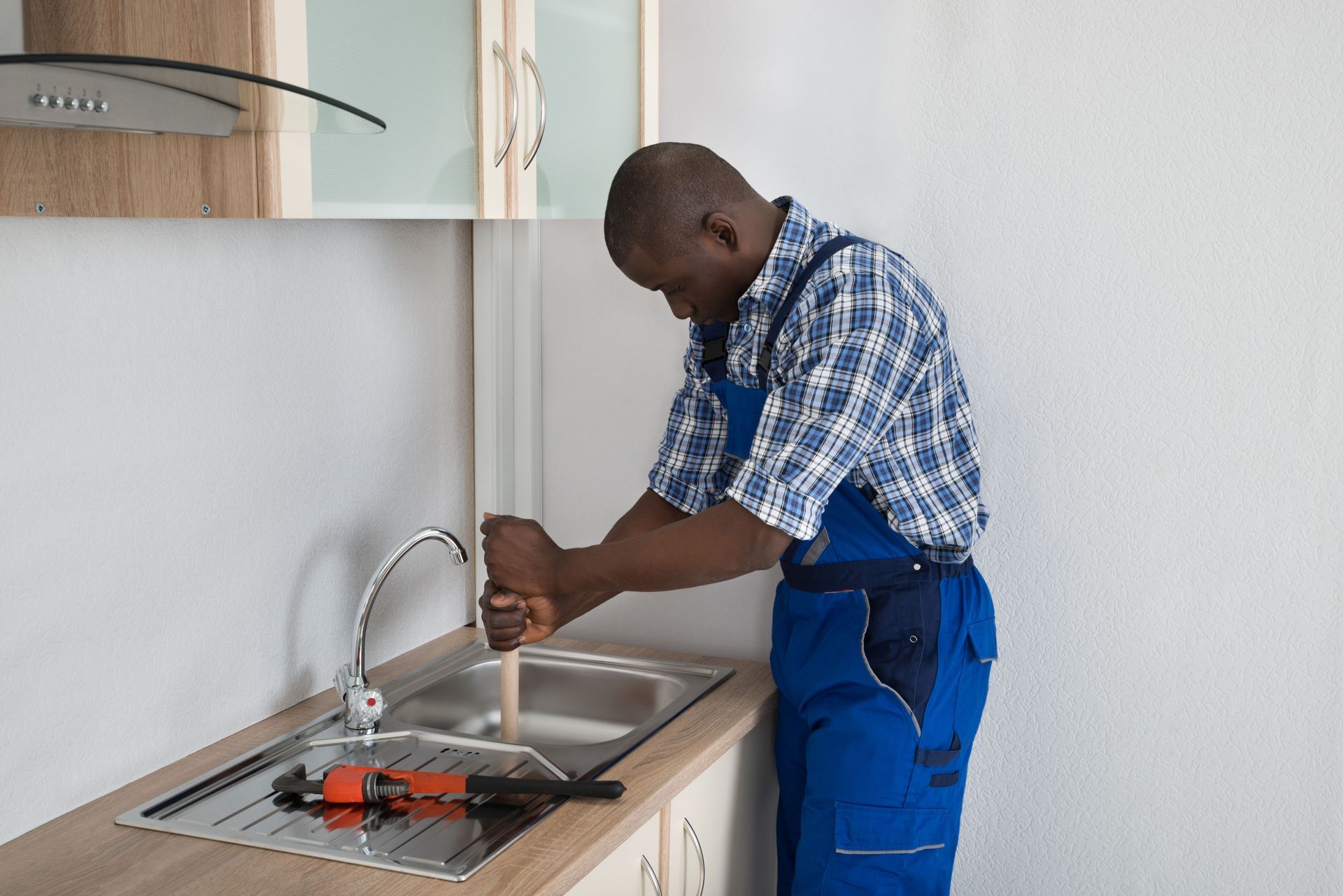
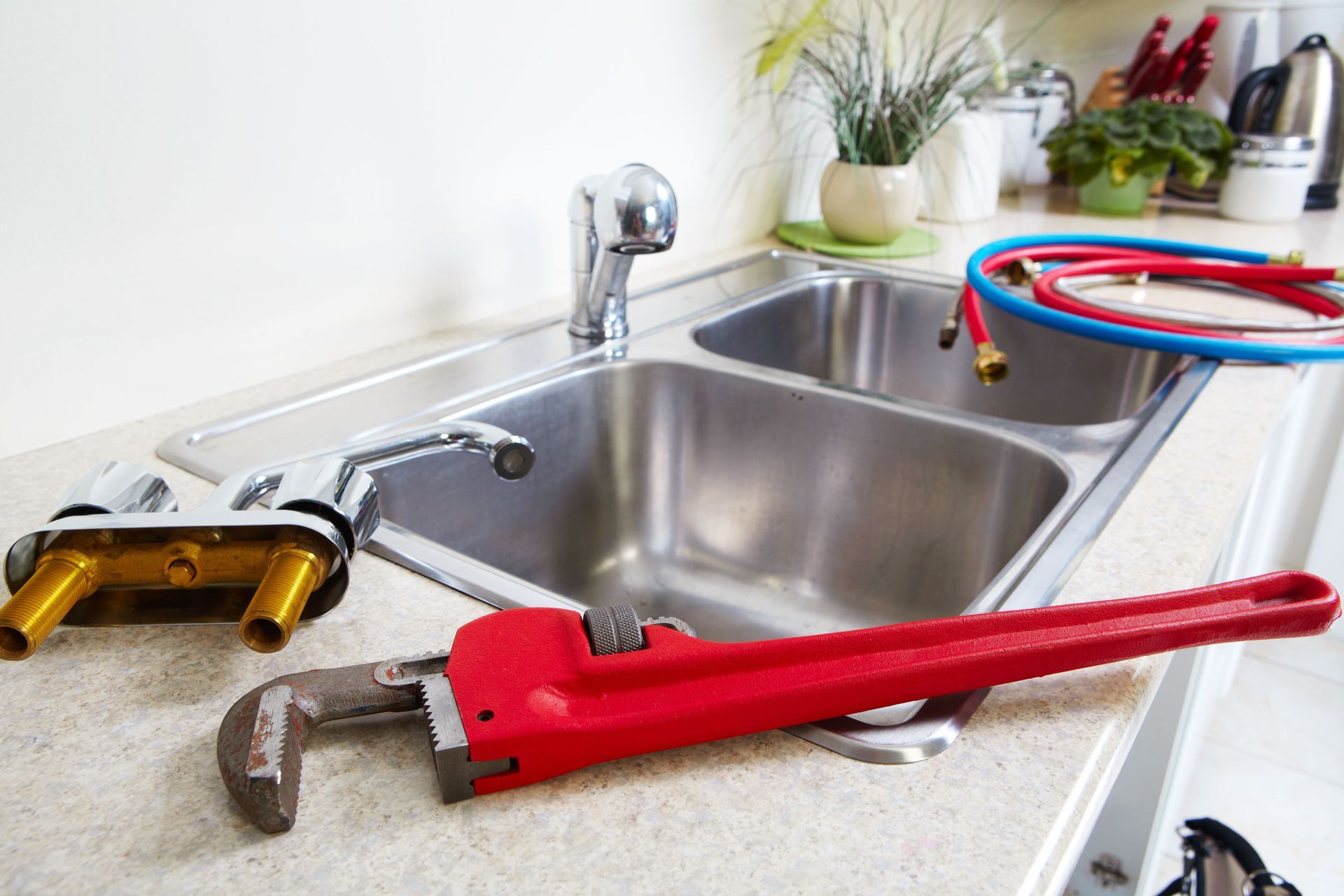
It is also wise to keep a few basic plumbing tools on hand. Items such as a plunger, adjustable wrench, bucket, and towels can help you manage certain situations until professional assistance arrives. While these tools will not solve every problem, they can help minimize damage during the critical first moments of an emergency.
Creating a list of important contact information is another valuable step. Save the number of a trusted emergency plumber in your phone and keep a backup copy somewhere accessible. When a plumbing emergency occurs, you will not have to waste time searching for qualified assistance.
Preparation should also include understanding the limitations of do-it-yourself repairs. Some issues may seem simple but can quickly worsen without proper training and equipment. Knowing when to seek professional help is an important part of protecting your home and your plumbing system.
Response
How you respond during the first few minutes of a plumbing emergency can greatly affect the outcome. The first priority should always be safety. If water is near electrical outlets, appliances, or wiring, take precautions and contact appropriate professionals if necessary.
After ensuring safety, shut off the water supply whenever possible. Stopping the flow of water can dramatically reduce property damage and give you time to assess the situation. Many homeowners who contact an emergency plumber report that immediate action helped limit the extent of repairs needed afterward.
It is important to avoid temporary fixes that may create larger problems. Excessive use of chemical drain cleaners, for example, can damage pipes and make future repairs more complicated. Instead, focus on containing the issue and gathering information about what happened.
Documenting the damage can also be beneficial. Taking photographs and notes may help with insurance claims and provide useful information for the technician who arrives to make repairs. An experienced emergency plumber can often diagnose issues more efficiently when provided with clear details about the problem.
Maintenance
Ongoing maintenance is one of the most effective ways to extend the lifespan of your plumbing system. Simple habits such as avoiding grease disposal in drains, monitoring water pressure, and cleaning fixtures regularly can prevent many common plumbing issues. Consistent care helps keep your system operating efficiently throughout the year.
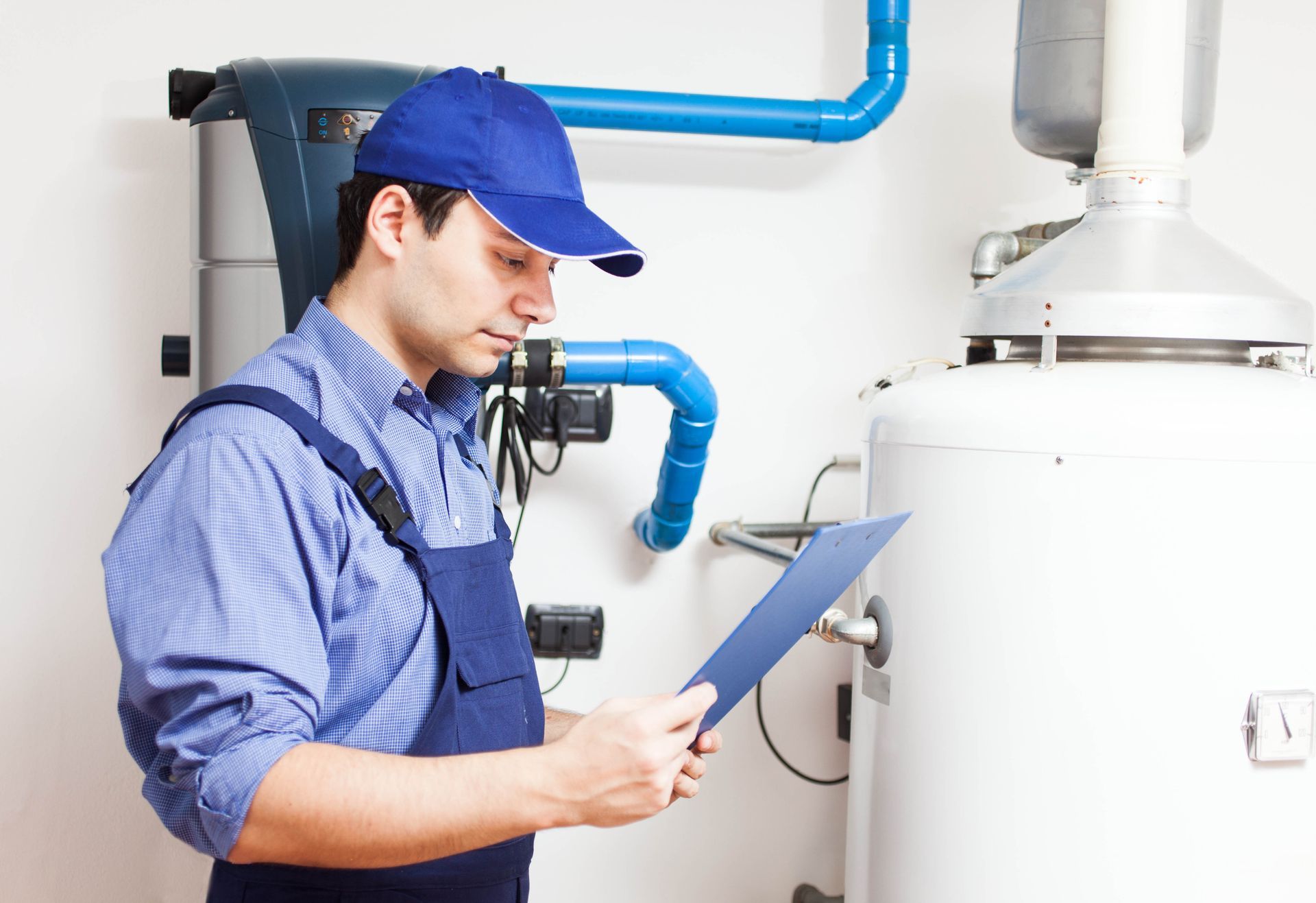
Water heaters deserve particular attention because they play a vital role in daily comfort. Flushing the tank periodically and checking for signs of corrosion can help prevent unexpected breakdowns. Many calls to an emergency plumber involve water heater failures that may have shown warning signs beforehand.
Drain maintenance is equally important. Slow drains often indicate developing blockages that can eventually lead to backups or overflows. Addressing these issues early helps maintain proper flow and reduces the likelihood of needing an emergency plumber for urgent drain-related problems.
Professional maintenance visits offer an additional layer of protection. During an inspection, technicians can evaluate pipes, fixtures, valves, and appliances for signs of wear. Investing in routine maintenance is often far less expensive than dealing with emergency repairs and water damage restoration.
Detection
Early detection is one of the most valuable skills a homeowner can develop when it comes to avoiding major plumbing emergencies. Many serious plumbing failures provide warning signs days, weeks, or even months before a complete breakdown occurs. Recognizing these indicators and taking action quickly can save significant time, money, and frustration.
One common warning sign is an unexplained increase in your water bill. If your household water usage habits have remained consistent but your bill suddenly rises, a hidden leak may be present somewhere within the plumbing system. Small leaks behind walls, under floors, or underground can waste large amounts of water over time while causing structural damage that remains unnoticed until repairs become extensive.
Changes in water pressure should also be taken seriously. A sudden pressure drop may indicate a leak, pipe blockage, or issue with the municipal water supply. Likewise, inconsistent pressure throughout the home can signal developing plumbing problems that warrant professional evaluation before they worsen.
Unusual sounds are another important clue. Banging, rattling, whistling, or gurgling noises coming from pipes or drains often suggest that something is not functioning properly. These sounds may indicate trapped air, loose pipe connections, developing clogs, or pressure imbalances that could eventually lead to system failure.
Homeowners should also watch for visible signs of moisture. Water stains on ceilings, bubbling paint, warped flooring, mold growth, or musty odors can all point to hidden leaks. Addressing these issues promptly can prevent further property damage and reduce repair costs.
Routine observation takes only a few minutes but can have a significant impact on the health of a plumbing system. By paying attention to small changes and acting before problems escalate, homeowners can reduce the likelihood of unexpected emergencies and maintain greater confidence in the reliability of their plumbing infrastructure.
Plumbing emergencies can be stressful, but knowledge and preparation can help you respond effectively when problems occur. Understanding preventative measures, preparing for unexpected situations, responding quickly, and maintaining your plumbing system all contribute to a safer and more reliable home. When a serious issue does arise, an experienced
emergency plumber can provide the expertise needed to restore normal operation and minimize damage.
At Sampson Plumbing & Heating, we understand how disruptive plumbing emergencies can be and how important fast, reliable service is for homeowners and businesses. We are committed to providing prompt solutions, professional workmanship, and dependable support when you need it most. Contact us today, and we will be ready to help you handle your plumbing challenges with confidence.