November 24, 2026
Inefficient plumbing systems can waste thousands of gallons of water each year while increasing household utility expenses. From hidden pipe leaks to outdated fixtures, several common plumbing problems can contribute to unnecessary water consumption. Recognizing the value of professional services that plumbers provide can help homeowners maintain efficient systems and protect valuable water resources.
Understanding Household Water Consumption
Household water consumption comes from everyday activities such as bathing, cooking, cleaning, laundry, and flushing toilets. Bathrooms typically account for a significant share of indoor water use, with toilets, showers, and faucets among the largest contributors. When plumbing systems operate inefficiently, these routine activities can result in unnecessary water waste and higher utility bills.
Household water usage varies depending on family size, lifestyle, climate, and the efficiency of installed fixtures. Older homes may have outdated plumbing materials and fixtures that consume more water than modern alternatives. Experienced plumbers can evaluate these systems and identify opportunities to improve efficiency.
Recognizing Common Plumbing Inefficiencies
Residential plumbing systems rely on interconnected pipes, drains, vents, and fixtures to deliver clean water and remove wastewater. When any component develops a problem, the entire system can become less efficient. Aging pipes, damaged connections, running toilets, and leaking faucets are common sources of household water waste.
Some plumbing problems remain unnoticed because leaks can develop behind walls, beneath floors, or in other concealed areas. Homeowners might not recognize an issue until they notice unexplained increases in their water bills, damp surfaces, or changes in water pressure. Regular professional inspections help identify these problems before they result in extensive water loss.
Identifying the Financial Impact of Leaks
Even relatively small plumbing leaks can waste substantial amounts of water over time. According to the Environmental Protection Agency, a leaky faucet that drips at the rate of one drip per second can waste more than 3,000 gallons of water per year. This unnecessary consumption can increase monthly utility expenses while placing additional pressure on local water resources.
Hidden pipe leaks can be particularly expensive because they may continue for extended periods without obvious warning signs. Water escaping behind walls or beneath flooring can also contribute to moisture damage and mold concerns. Professional plumbers can locate concealed leaks and recommend appropriate repairs to restore system efficiency.
Evaluating Outdated Plumbing Materials
Older plumbing systems frequently contain materials that are more vulnerable to corrosion, deterioration, and restricted water flow. Galvanized steel pipes, for example, can develop internal rust buildup that reduces their capacity and increases the likelihood of leaks. These problems can affect water pressure, water quality, and overall system performance.
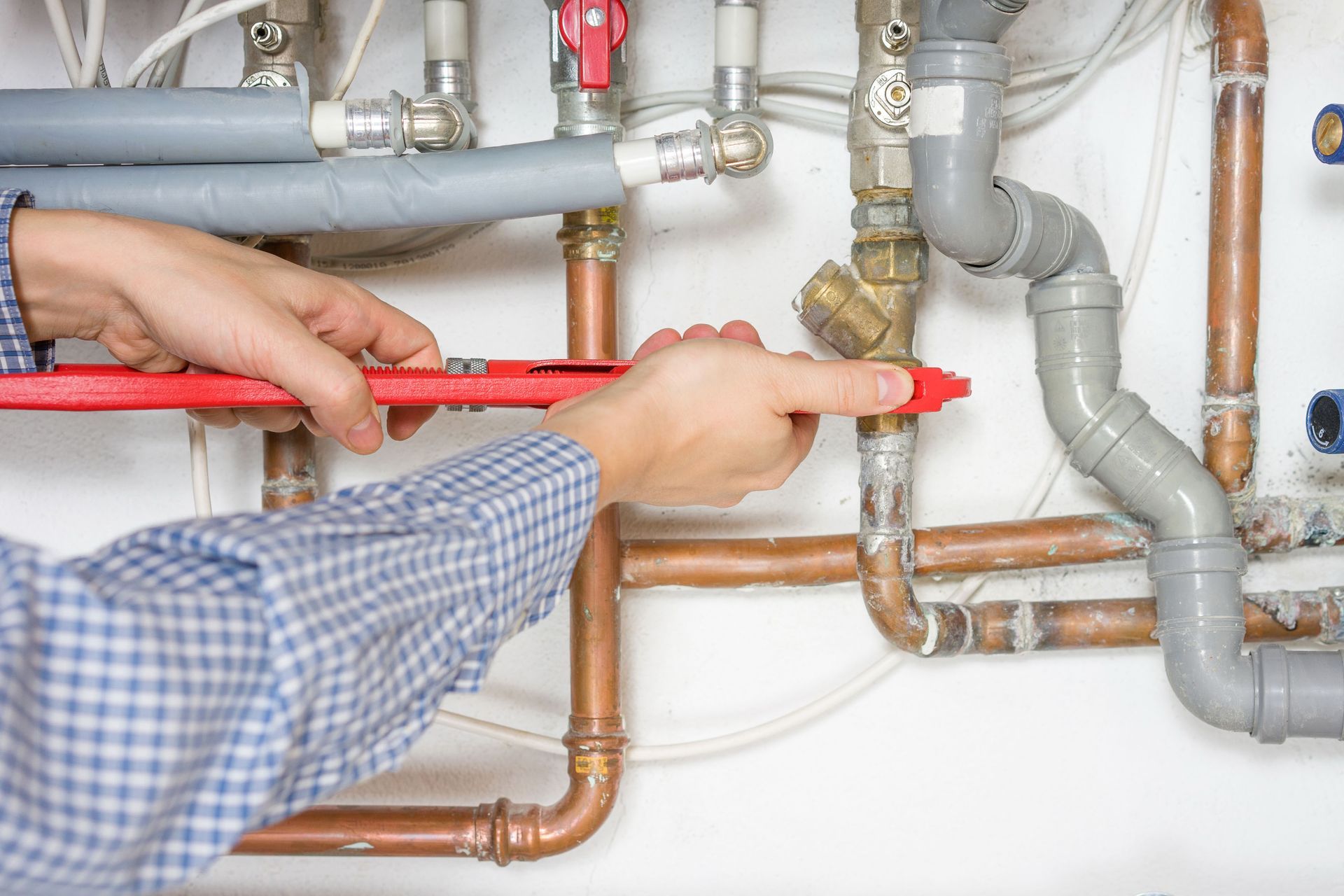
Modern plumbing materials, including copper and PEX, offer different advantages in terms of durability and installation flexibility. Replacing deteriorating pipes can improve reliability and reduce the likelihood of recurring leaks. Qualified plumbers can assess existing piping and determine whether targeted repairs or larger system upgrades are appropriate.
Detecting Hidden Leaks and Water Loss
Not every plumbing leak produces an obvious puddle or dripping sound. Some develop inside walls, beneath concrete slabs, or in other inaccessible locations where water can accumulate without immediate detection. Over time, these problems can contribute to structural damage, higher utility bills, and unnecessary water consumption.
Unexplained changes in water usage are among the warning signs that a hidden leak may exist. Discolored walls, persistent dampness, musty odors, and unexpected changes in water pressure can also indicate underlying plumbing problems. Professional leak detection services help locate these issues and prevent continued water loss.
Understanding Plumbing Fixtures and Water Efficiency
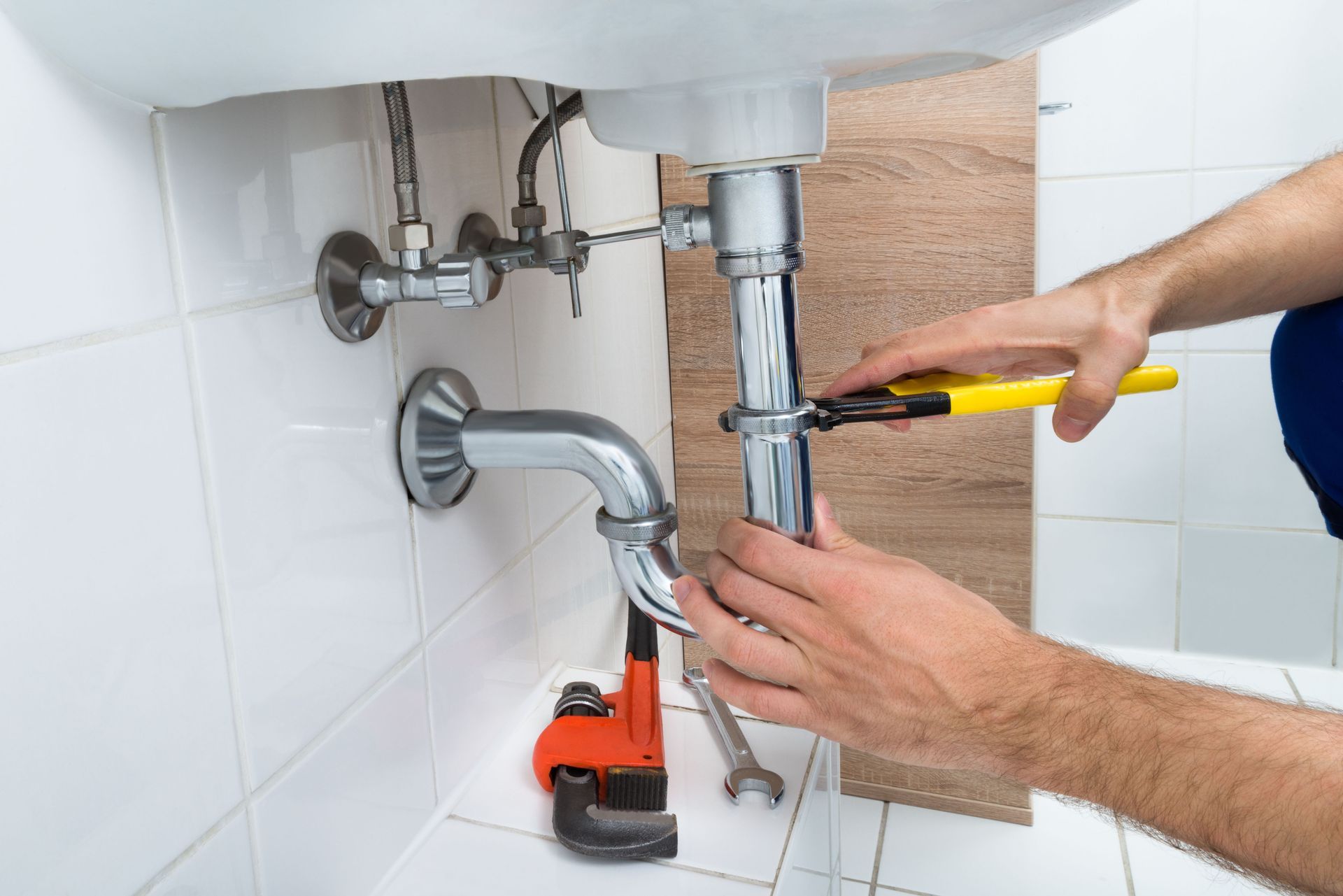
Household fixtures play an important role in determining how efficiently a plumbing system uses water. Older toilets, showerheads, and faucets may consume considerably more water than modern high-efficiency alternatives. Worn internal components can also prevent fixtures from shutting off properly, resulting in continuous water loss.
Modern low-flow fixtures are designed to maintain functionality while reducing unnecessary consumption. High-efficiency toilets and water-saving showerheads can help households reduce indoor water usage without sacrificing convenience. Plumbers can evaluate existing fixtures and recommend suitable replacements based on household needs and plumbing compatibility.
Recognizing Problems With Water Pressure
Water pressure affects how plumbing fixtures and appliances perform throughout a home. Excessively high pressure can place additional strain on pipes, fittings, and connections, increasing the likelihood of leaks and premature component failure. Low pressure may indicate corrosion, blockages, damaged piping, or other underlying system problems.
Maintaining appropriate water pressure helps protect plumbing infrastructure and supports consistent fixture performance. Pressure regulators and other plumbing components may require inspection when household pressure becomes inconsistent. Professional plumbers can identify the source of pressure problems and recommend solutions that protect the system while limiting water waste.
Improving Water Heater Efficiency
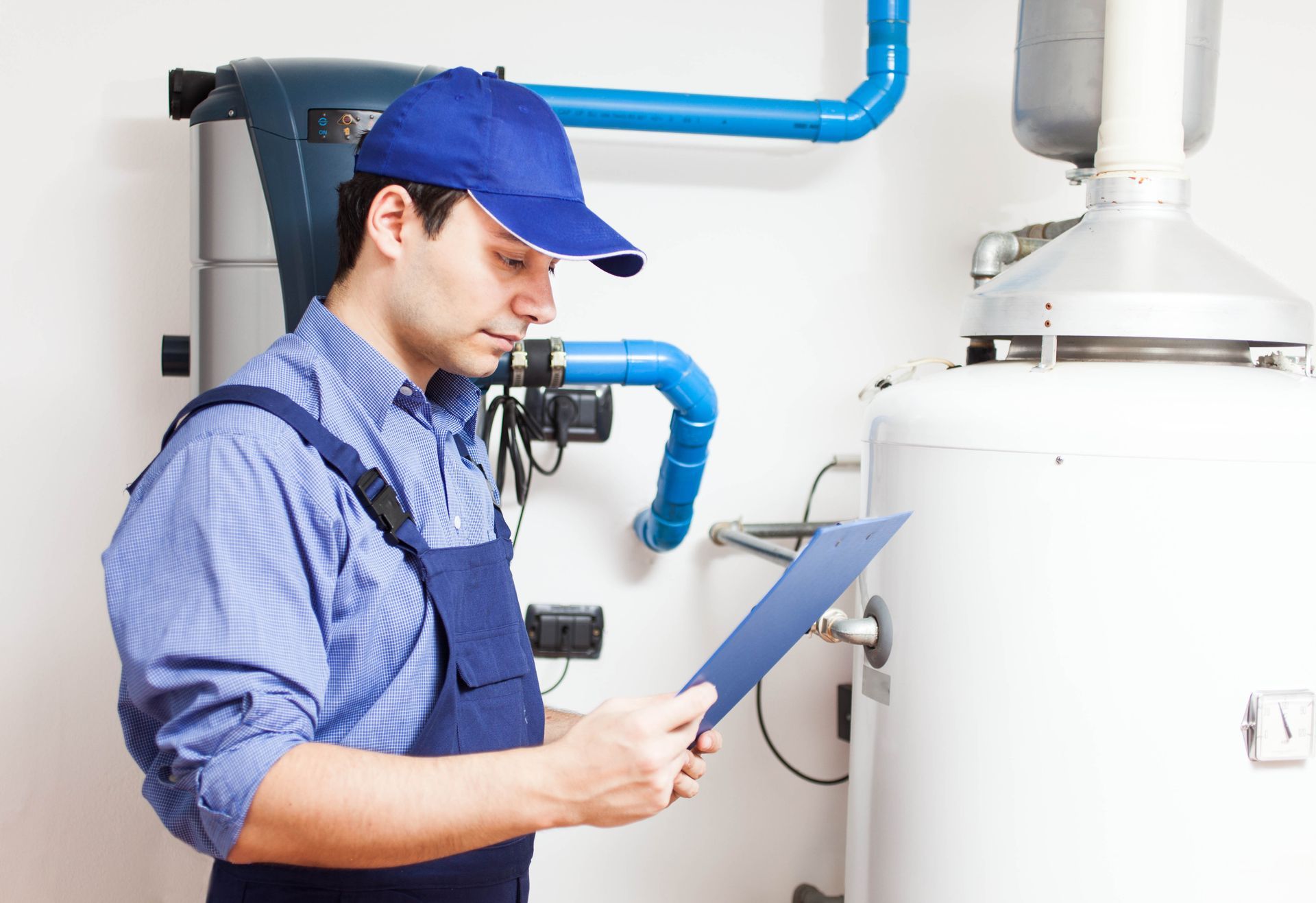
Water heaters are another important part of residential plumbing systems. Older or poorly maintained units may struggle to provide consistent hot water, resulting in longer waiting periods and unnecessary water consumption. Problems with heating elements, thermostats, valves, or connections can also reduce overall system performance.
Modern water heaters offer improved efficiency through updated technology and better insulation. Tankless models provide hot water on demand, while high-efficiency storage units are designed to reduce energy consumption. A professional assessment can help homeowners determine whether their existing equipment is operating efficiently or would benefit from replacement.
Preventing Drainage and Sewer System Problems
Drainage systems are responsible for carrying wastewater away from household fixtures and appliances. When pipes become damaged, obstructed, or improperly installed, wastewater may move inefficiently through the system. These problems can contribute to recurring backups, unpleasant odors, and potential water damage.
Aging sewer lines may also develop cracks, separated joints, or other structural weaknesses that compromise their performance. Professional inspections can identify these concerns and help determine the appropriate repair or replacement options. Maintaining reliable drainage infrastructure supports the overall efficiency and safety of household plumbing systems.
Monitoring Water Usage Through Modern Technology
Advancements in plumbing technology have made it easier for homeowners to monitor water consumption and identify unusual usage patterns. Smart water meters provide information about household consumption and may alert homeowners when usage changes unexpectedly. These systems can be especially helpful for identifying potential leaks that might otherwise remain unnoticed.
Automatic leak detection devices offer another layer of protection by monitoring water flow and identifying irregularities. Some systems can automatically shut off the water supply when significant leaks are detected. Integrating these technologies into residential plumbing systems can help limit water loss and reduce the risk of costly damage.
Reducing Household Water Waste Through Professional Plumbing Services
Efficient plumbing systems are essential for controlling household water consumption and protecting valuable natural resources. Leaking pipes, outdated fixtures, deteriorating water heaters, and drainage problems can all contribute to unnecessary waste. Addressing these issues through professional inspections, repairs, and equipment upgrades can improve system performance while helping households manage utility expenses.
Regular plumbing maintenance also helps identify developing problems before they become more serious. Homeowners benefit from working with experienced professionals who understand how different plumbing components function together. Qualified plumbers can evaluate system conditions, recommend practical improvements, and help maintain dependable water delivery throughout the property.
Choosing Professional Plumbing Services
Investing in professional plumbing services can make a meaningful difference in household water efficiency. From identifying hidden leaks to replacing outdated piping and inefficient fixtures, experienced professionals can address the problems responsible for unnecessary consumption. Timely service also helps protect household infrastructure and reduce the possibility of expensive water damage.
When plumbing problems arise, homeowners should work with a dependable company that understands the importance of reliable service and efficient systems. Sampson Plumbing & Heating can help homeowners address plumbing concerns, improve system performance, and reduce unnecessary water waste. Contact Sampson Plumbing & Heating to discuss your household plumbing needs and schedule professional service.