November 24, 2026
A reliable water heater is essential for everyday comfort, providing hot water for showers, laundry, dishwashing, and other household needs. Over time, sediment buildup, worn components, and reduced efficiency can affect system performance. Regular professional maintenance helps prevent these problems, improve energy efficiency, and extend the appliance's lifespan. Whether a home uses a traditional tank heater or a modern tankless system, consistent maintenance helps ensure dependable hot water throughout the year.
Scheduling Regular Inspections
Regular inspections help identify water heater problems before they develop into expensive repairs or system failures. Technicians examine important components, including heating elements, thermostats, pressure relief valves, and plumbing connections. They also look for corrosion, leaks, unusual noises, and other signs of declining performance.
Early detection can prevent minor issues from becoming major problems. For example, a malfunctioning thermostat may cause inconsistent water temperatures, while corrosion can eventually damage the tank. Professional water heater repairs address these concerns before they affect additional components.
According to the Department of Energy, the lifespan of a tankless water heater is 20 years. Consistent maintenance and timely attention to developing problems help protect the system and support its expected service life. Annual professional inspections also provide an opportunity to evaluate overall efficiency and identify necessary water heater repairs.
Inspections are particularly valuable because different water heater models have different maintenance requirements. Technicians can evaluate the appliance's age, operating condition, and service history when determining which maintenance tasks are appropriate. This allows homeowners to address specific concerns rather than waiting for noticeable performance problems.
Preventing Sediment and Mineral Buildup
Sediment accumulation is a common problem in traditional tank water heaters. Minerals naturally present in water can settle at the bottom of the tank, interfering with heat transfer and forcing the appliance to consume more energy. Over time, excessive buildup can contribute to overheating, unusual noises, and premature wear.
Professional flushing helps remove accumulated sediment and maintain efficient operation. The appropriate maintenance schedule depends on water quality, household usage, and manufacturer recommendations. Homes with hard water may require more frequent service because mineral deposits develop more quickly.
Tankless water heaters also require periodic maintenance to prevent mineral buildup inside their heat exchangers. Professional descaling helps maintain water flow and heating efficiency while reducing unnecessary strain on internal components. Addressing these concerns through routine service can prevent more extensive water heater repairs.
Mineral accumulation can also affect how quickly a system delivers hot water. When deposits interfere with internal components, the appliance may struggle to maintain consistent temperatures or meet household demands. Regular professional cleaning helps preserve performance and reduces the likelihood of avoidable operating problems.
Improving Energy Efficiency
A properly maintained water heater generally uses less energy than a system struggling with sediment or damaged components. Clean heating elements and properly functioning burners allow the appliance to heat water more effectively. This can reduce unnecessary energy consumption and help control monthly utility expenses.
Temperature settings also influence efficiency. Many residential systems are maintained around 120 degrees Fahrenheit to balance household comfort, energy use, and scald prevention. A malfunctioning thermostat can cause inconsistent temperatures and additional energy consumption, making professional evaluation important.
Insulation and heat loss can also affect operating costs. During maintenance appointments, technicians can identify efficiency concerns and recommend appropriate improvements. Keeping the system in good condition supports dependable hot water while limiting unnecessary energy use.
Energy efficiency is especially important in households with frequent hot water demands. Showers, laundry, dishwashing, and cleaning can all contribute to daily water heating requirements. A system operating efficiently can meet these demands without placing unnecessary strain on its heating components.
Recognizing Signs of Water Heater Problems
Water heaters often display warning signs when maintenance or repairs become necessary. Inconsistent temperatures, longer heating times, and insufficient hot water may indicate problems with heating elements, thermostats, or internal components. These symptoms should be evaluated before they lead to a complete system failure.
Unusual rumbling, popping, or banging noises can indicate sediment accumulation or other mechanical concerns. Leaks and visible corrosion are equally important warning signs because they may signal damaged connections, failing valves, or deterioration inside the tank. Prompt water heater repairs can help prevent additional damage to the appliance and surrounding areas.
Increasing utility bills may also suggest declining efficiency. If household water usage remains consistent but energy expenses rise, the water heater may be working harder than necessary. A professional inspection can identify the cause and determine which repairs or maintenance services are appropriate.
Changes in water appearance or odor may also warrant professional attention. Rust-colored water can sometimes indicate corrosion within the tank or connected plumbing, while unusual smells may point to water quality concerns. Having these conditions evaluated helps homeowners understand whether the issue involves the water heater or another part of the plumbing system.
Maintaining Tank and Tankless Systems
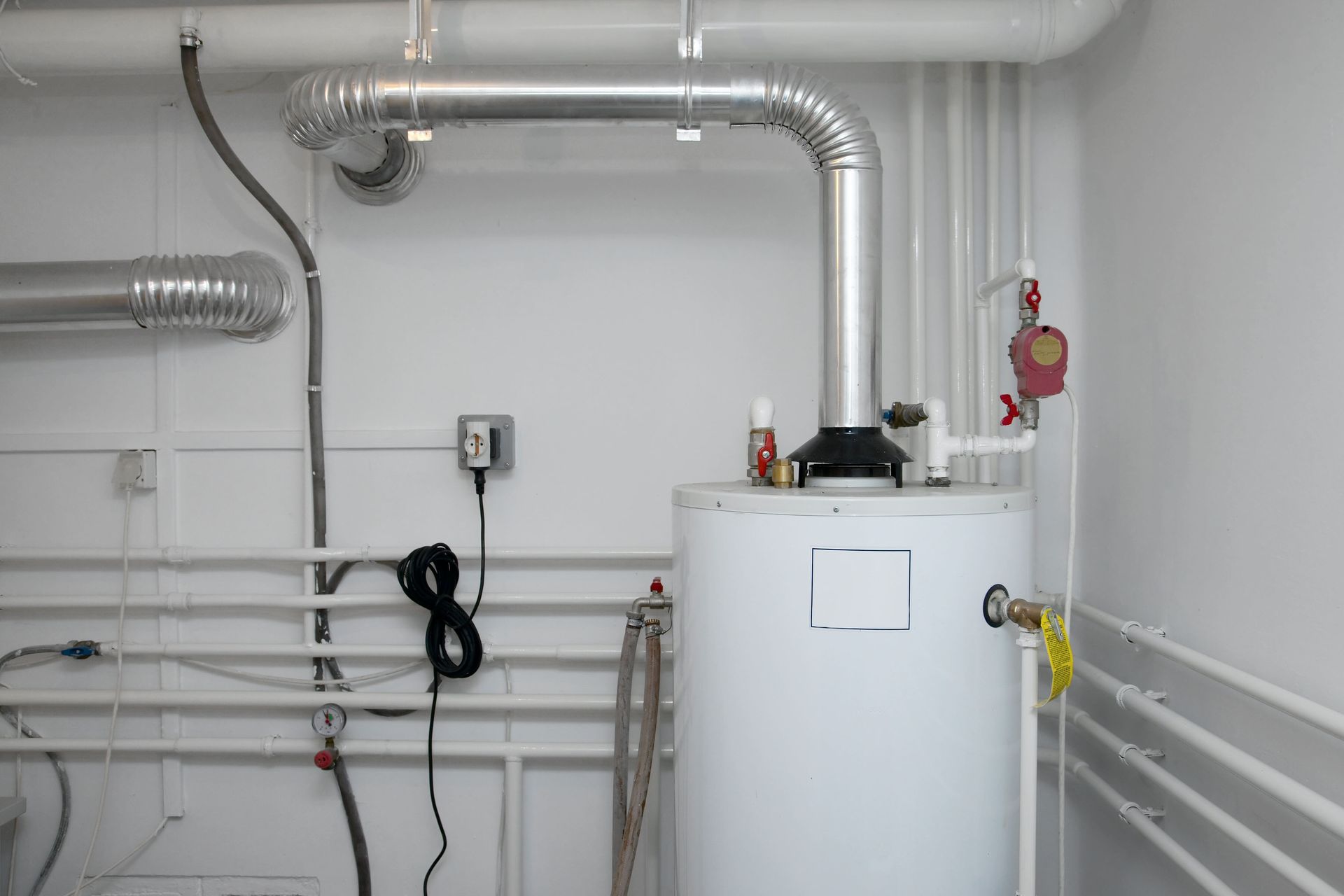
Traditional tank water heaters and tankless models have different maintenance requirements. Storage tank systems need attention to sediment accumulation, corrosion prevention, and the condition of internal components. Regular inspections help ensure the tank continues providing dependable hot water.
Tankless systems heat water as it passes through the appliance rather than storing a supply. Although these models are often energy efficient, mineral deposits can accumulate inside their heat exchangers. Professional descaling and inspections help maintain performance and protect important components.
Both systems benefit from routine evaluations of valves, connections, heating components, and safety mechanisms. When recurring problems develop, technicians can determine whether continued service or replacement is the more practical option. Age, repair history, and overall efficiency all contribute to that decision.
Choosing the appropriate maintenance approach is important because the internal designs of these systems differ. A tank heater may require attention to its storage capacity and anode rod, while a tankless model may need additional attention to mineral deposits and water flow. Professional service ensures that maintenance recommendations account for the equipment installed in the home.
Preventing Unexpected Breakdowns
Unexpected water heater failures can interrupt household routines and create costly problems. A leaking tank may damage nearby flooring and walls, while a failed heating component can leave a household without hot water. Preventive maintenance helps reduce these risks by identifying developing concerns early.
Annual professional inspections provide an opportunity to evaluate system performance and address worn components. When problems appear between appointments, scheduling water heater repairs promptly can prevent additional damage. Consistent attention also helps homeowners plan for future maintenance and replacement needs.
A maintenance history can make it easier to recognize recurring issues and determine whether an appliance is becoming less dependable. Technicians can use previous service information to evaluate changes in performance and recommend appropriate solutions. This proactive approach helps homeowners avoid unnecessary disruptions and make informed decisions about their plumbing systems.
Keeping Your Water Heater Reliable
Regular maintenance supports water heater efficiency, safety, and dependable operation. Inspections, cleaning, temperature adjustments, and professional water heater repairs all contribute to better performance. These services also help extend the appliance's useful life and reduce the likelihood of unexpected breakdowns.
Whether your home has a traditional tank or tankless system, professional attention helps protect important components and maintain a reliable hot water supply. Working with an experienced plumbing company makes it easier to establish an appropriate maintenance schedule and address problems as they develop. Sampson Plumbing & Heating can help homeowners maintain dependable hot water through professional inspections, maintenance, and water heater repairs. Contact Sampson Plumbing & Heating to schedule an appointment and keep your water heater operating efficiently.